
Why Condensation, Ventilation & Thermal Bridging Still Aren’t Taken Seriously Enough
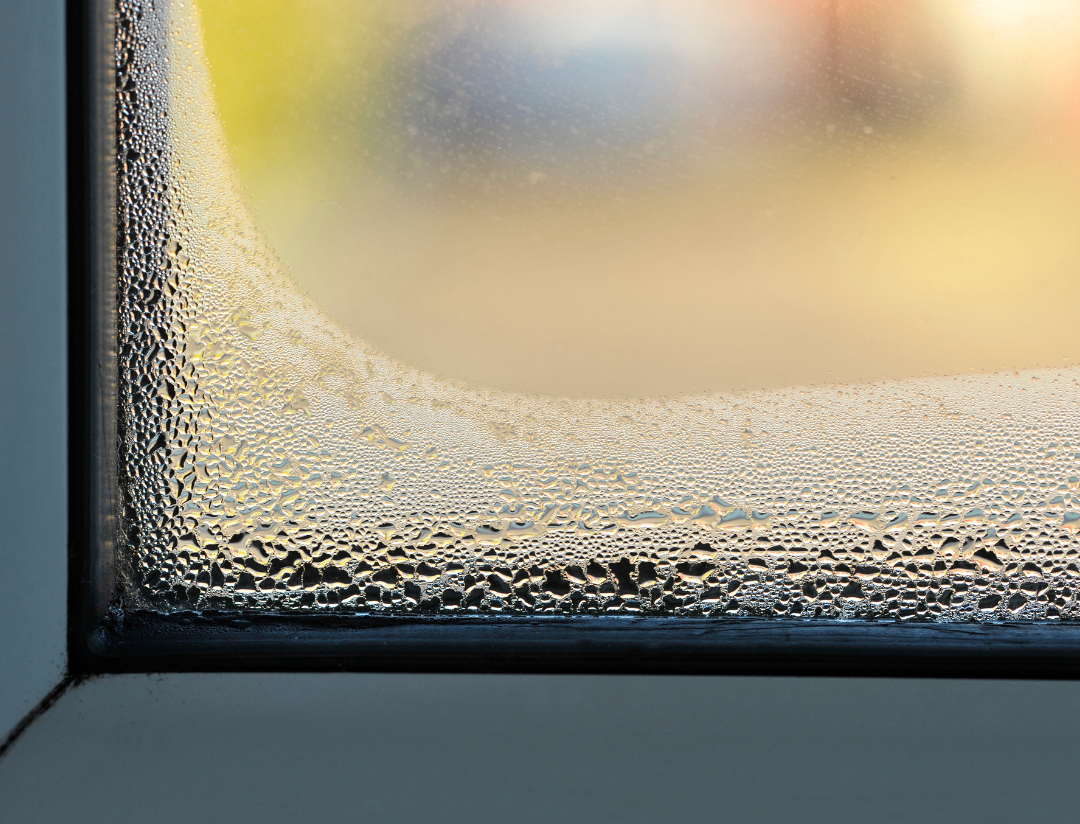
Condensation, ventilation and thermal bridging are some of the most important — and most misunderstood — issues affecting Australian housing today.
While conversations around sustainability and energy efficiency have become more common in recent years, many homes across Australia still experience:
- condensation
- mould
- poor indoor air quality
- uncomfortable indoor temperatures
- and hidden moisture damage
Often, these issues are treated as isolated problems.
In reality, they are usually symptoms of deeper building performance failures.
At reimagined habitat, we believe these issues deserve far more attention — not only because they affect building durability and energy efficiency, but because they directly influence comfort, health, resilience and long-term liveability.
Why Condensation Is Becoming a Bigger Problem
Condensation occurs when warm, moisture-laden air comes into contact with colder surfaces.
This often happens around:
- windows
- poorly insulated walls
- ceilings
- junctions
- and thermal bridges within the building envelope
Historically, many Australian homes were extremely leaky, meaning moisture could escape relatively easily through uncontrolled air leakage.
While this was highly inefficient from an energy perspective, it often masked deeper moisture-management problems.
As homes become more airtight under newer building regulations, condensation risks are increasing — particularly when ventilation and building physics are poorly understood.
The result can include:
- mould growth
- hidden moisture damage
- poor indoor air quality
- and deterioration of building materials over time
Many homeowners only become aware of the issue once visible mould appears, but by that stage moisture problems may already be well established inside wall or roof systems.
Why Ventilation Matters So Much
Ventilation is one of the most critical — and most overlooked — aspects of healthy home design.
People generate significant amounts of moisture inside homes every day through:
- breathing
- cooking
- showering
- drying clothes
- and everyday living activities
Without adequate ventilation, humidity levels can build rapidly indoors.
Poor ventilation can contribute to:
- condensation
- mould growth
- stale indoor air
- increased pollutants
- and discomfort
Unfortunately, ventilation is still often treated as an afterthought within Australian housing.
Many homes rely heavily on:
- opening windows
- bathroom exhaust fans
- or uncontrolled air leakage
rather than carefully designed ventilation strategies that respond properly to:
- humidity
- indoor air quality
- and thermal comfort.
As climate conditions change and bushfire smoke events become more frequent, relying entirely on open windows for ventilation also becomes increasingly problematic in many parts of Australia.
The Hidden Problem of Thermal Bridging
Thermal bridging remains one of the least understood aspects of building science in Australia.
A thermal bridge occurs where building elements allow heat to bypass insulation layers more easily.
Common examples include:
- metal framing
- slab edges
- balcony junctions
- poorly detailed connections
- and structural penetrations through insulation layers
These areas become weak points within the building envelope.
Thermal bridges can lead to:
- increased heat loss
- overheating
- colder internal surface temperatures
- condensation risk
- and reduced overall thermal performance
Importantly, condensation often forms first at thermal bridges because those surfaces become colder than surrounding insulated areas.
This means homes can experience mould and condensation problems even when insulation has technically been installed.
Without careful detailing, thermal bridges can significantly undermine otherwise good building performance.
Why These Problems Are Still Common in Australia
Australia has historically focused far more on minimum compliance than true building performance.
For decades, many homes were designed with limited understanding of:
- building physics
- moisture management
- airtightness
- and thermal performance as a complete system
As a result, condensation and ventilation issues are often still poorly understood across parts of the industry.
Common problems include:
- insulation installed incorrectly
- missing vapour management strategies
- inadequate ventilation
- poorly detailed junctions
- thermal bridging
- and excessive reliance on mechanical heating and cooling to compensate for poor envelope performance
Even relatively new homes can experience serious condensation and mould problems when these issues are not properly addressed.
Why This Is Also a Health Issue
Condensation and ventilation are not simply technical building problems.
They are also health issues.
Australians spend around 90% of their time indoors, yet many homes continue to expose occupants to:
- mould spores
- poor indoor air quality
- excessive humidity
- unstable temperatures
- and inadequate ventilation
This can contribute to:
- respiratory issues
- asthma aggravation
- allergies
- poor sleep
- discomfort
- and reduced overall wellbeing
For people with respiratory sensitivities or chronic health conditions, indoor environmental quality can significantly affect everyday life.
A home that constantly experiences condensation, dampness or mould is not simply inconvenient.
It can become unhealthy to live in.
You can read more here:
👉 Healthy Home Design for a Changing Climate
Why Airtightness Changes the Conversation
One of the biggest misconceptions in Australia is that airtight homes are “bad” because they do not breathe.
In reality:
buildings should not breathe — ventilation systems should.
Uncontrolled air leakage is not ventilation.
It simply means:
- heating and cooling escapes
- outdoor pollutants enter
- draughts increase
- and building performance becomes unpredictable
However, improving airtightness without addressing ventilation properly can absolutely create moisture problems.
This is why ventilation, airtightness, insulation and thermal bridge management must all be considered together.
High-performance homes and Passive House projects approach these elements as part of one integrated building system rather than isolated upgrades.
You can learn more here:
👉 What Is Passivhaus — And Why Do We Love It So Much?
Why Passive House Principles Matter
Passive House principles place strong emphasis on:
- airtightness
- continuous insulation
- ventilation
- thermal bridge reduction
- and detailed performance modelling
This helps reduce:
- condensation risk
- uncontrolled humidity
- thermal instability
- and mould formation
Importantly, Passive House is not simply about reducing energy demand.
It is also about creating:
- healthier indoor environments
- more stable temperatures
- cleaner indoor air
- and more resilient homes
Even projects not pursuing formal certification can benefit enormously from applying these principles thoughtfully.
Why Better Building Science Matters
As climate conditions continue changing across Australia, understanding building science is becoming increasingly important.
Longer heatwaves, rising energy costs and more extreme weather conditions place greater pressure on poorly performing homes.
At the same time, building regulations are gradually pushing towards greater airtightness and higher energy efficiency targets.
Without proper understanding of:
- condensation
- ventilation
- moisture management
- and thermal bridging
there is a real risk that future homes continue repeating many of the same problems.
Better outcomes require:
- better detailing
- better education
- better construction quality
- and more holistic thinking around building performance.
Final Thoughts
Condensation, ventilation and thermal bridging are not niche technical topics.
They are fundamental to creating homes that are:
- healthy
- comfortable
- durable
- resilient
- and genuinely fit for Australia’s changing climate.
The building industry cannot continue treating these issues as secondary considerations.
Because ultimately, the consequences are experienced not only by the buildings themselves — but by the people living inside them every day.
At reimagined habitat, we believe better homes begin with better understanding.
And that means taking building science, moisture management and indoor environmental quality far more seriously than we traditionally have in Australia.