
passive house 101 - part 1

solar butterfly passive house 101

The Origins of Passive House and Why It Matters More Than Ever

Welcome to reimagined habitat’s Passive House 101 series — a practical introduction to Passive House principles, healthy home design, thermal comfort, and high-performance building.

As Australian homes continue to struggle with:

  • overheating
  • rising energy costs
  • poor insulation
  • draughts
  • and uncomfortable indoor temperatures

more homeowners are beginning to ask an important question:

why do so many homes still perform so poorly?

Passive House offers one possible answer.

This twelve-part series aims to demystify Passive House design and explain how better building science can help create homes that are:

  • healthier
  • more comfortable
  • more resilient
  • and dramatically more energy efficient.

In this first article, we explore where Passive House originated, why it emerged, and how it evolved into one of the world’s leading high-performance building standards.


The Early Origins of Passive Building Design

Passive building principles are not new.

For centuries, traditional cultures around the world developed climate-responsive building approaches that worked with local environmental conditions rather than against them.

Examples include:

  • naturally ventilated homes in parts of China and the Middle East
  • thick masonry structures in Mediterranean climates
  • and highly insulated turf houses in Iceland

These buildings often relied on:

  • thermal mass
  • insulation
  • passive solar gain
  • natural ventilation
  • and locally available materials

to maintain more stable indoor temperatures long before modern mechanical heating and cooling systems existed.

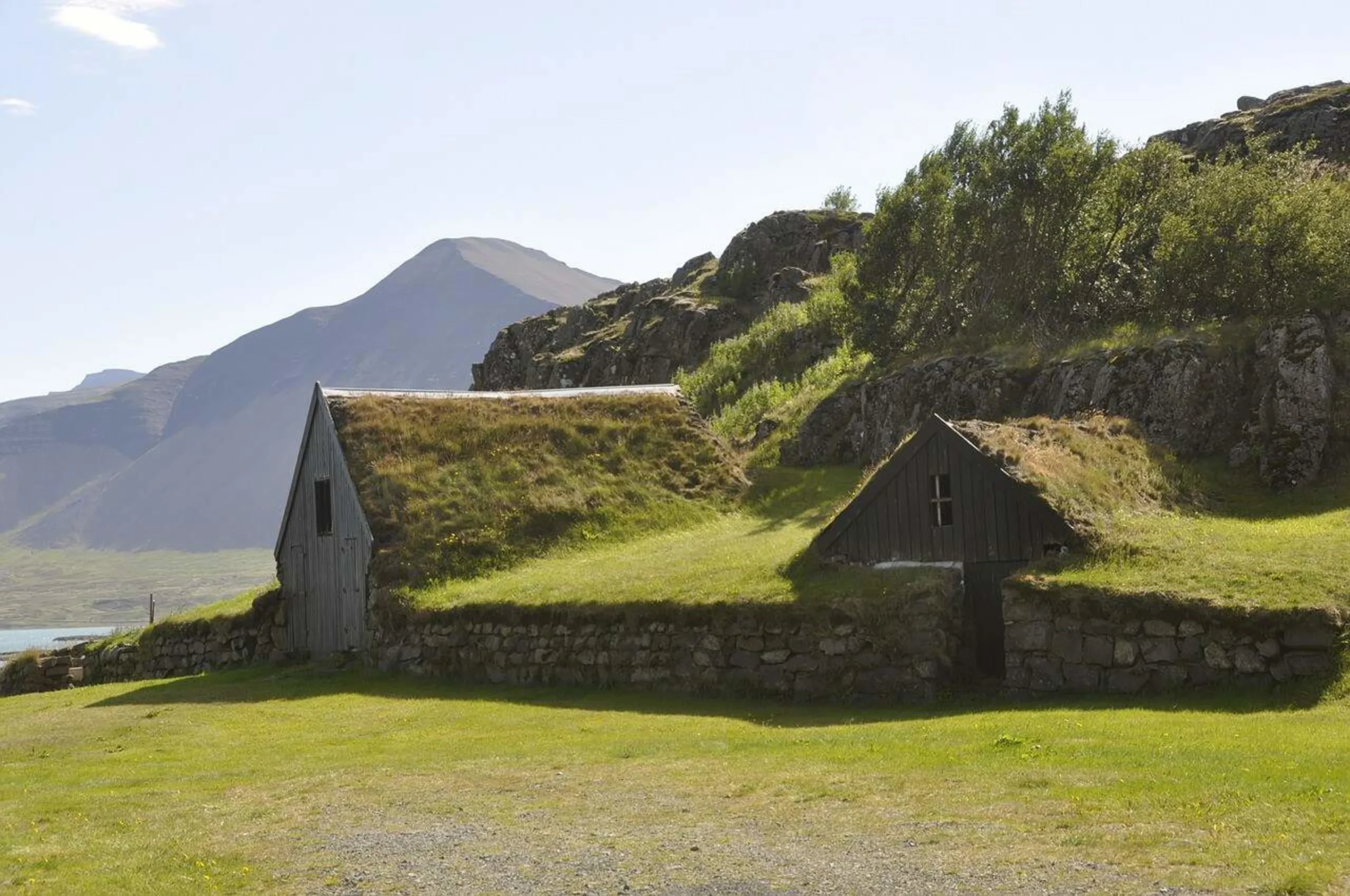
In Iceland, traditional turf houses developed over centuries in response to harsh weather conditions and limited natural resources.

Built using:

  • earth
  • stone
  • timber
  • and thick layers of turf

these homes demonstrated an early understanding of insulation and thermal performance. Their thick walls and earth-covered roofs helped retain heat, regulate indoor temperatures, and reduce exposure to extreme weather.

While modern Passive House design uses contemporary materials and advanced modelling tools, many of the underlying ideas around thermal comfort and climate-responsive design have existed for generations.


What Changed in the 1970s?

For much of the twentieth century, cheap fossil fuels allowed buildings to rely heavily on mechanical heating and cooling rather than building performance itself.

But the oil crises of the 1970s forced governments, researchers and designers to rethink energy use within buildings.

In response, significant research began across:

  • Europe
  • North America
  • and parts of Scandinavia

focused on creating homes that used dramatically less energy while maintaining comfortable indoor conditions.

This research led to the development of:

  • super-insulated homes
  • low-energy housing models
  • passive solar housing
  • and eventually the Passive House standard itself.

Governments, universities and private researchers began testing different approaches to:

  • insulation
  • glazing
  • airtightness
  • ventilation
  • and thermal performance

to better understand how buildings could operate more efficiently.

These early experiments helped shape many of the high-performance building principles still used today.

The First Passive House

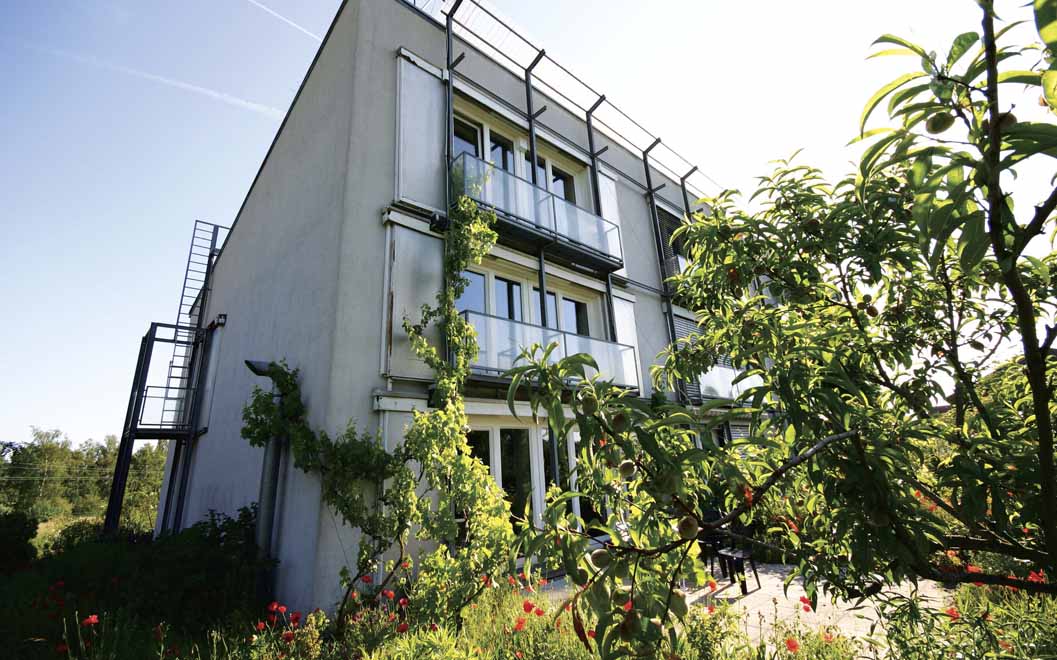
The world’s first official Passive House project was constructed in:

Darmstadt-Kranichstein, Germany in 1990–1991.

The project was based around the concept of:

“a house without heating.”

This may sound almost impossible by conventional Australian standards, but the goal was not to eliminate comfort.

It was to reduce heating demand so dramatically that only minimal supplemental heating would be required.

The building housed four families and was extensively monitored over more than 25 years.

Importantly, the measured performance closely matched the original energy modelling predictions — proving that extremely low-energy housing could work reliably in the real world.

Even decades later, the Darmstadt Passive House continues contributing valuable data and research to contemporary Passive House development worldwide.

The success of this project helped establish Passive House as a credible and measurable building standard rather than simply a theoretical concept.

passive house history
passive house design principles
Traditional Icelandic Turf House

Developed over centuries in response to Iceland’s harsh weather and limited resources, turf houses are built using layers of earth, grass, and stone to create highly insulated and energy-efficient homes. Their thick walls and green roofs help retain heat, regulate indoor temperatures, and blend seamlessly into the natural landscape. This traditional building method demonstrates an early understanding of sustainable design—using local materials and passive principles long before modern energy standards were established.

How Passive House Continued to Evolve

Following the success of the Darmstadt project, additional Passive House developments quickly followed across Europe.

One of the best-known examples was the:

Hanover Passive House Settlement built in 1998–1999.

This project included a row of Passive House homes designed around the concept of post-heating supply air systems, significantly reducing the need for traditional heating infrastructure.

Around the same time, several European countries collaborated on the:

CEPHEUS project (Cost Efficient Passive Houses as European Standards).

This international initiative involved:

  • 250 housing units
  • across 14 projects
  • in Germany, Austria, France, Sweden and Switzerland

The monitored results demonstrated extraordinary performance outcomes.

Many of the homes achieved approximately:

90% lower heating energy demand

compared to conventional building stock at the time.

Importantly, the research also showed that these performance improvements were achievable without extreme construction cost increases.

Average additional costs were estimated at around:

8%

above standard minimum-compliance construction at the time.


Why Passive House Matters in Australia

While Passive House originated in colder European climates, its principles are increasingly relevant in Australia.

Many Australian homes continue to struggle with:

  • overheating in summer
  • heat loss during winter
  • poor airtightness
  • weak insulation
  • condensation
  • mould
  • and rising operational energy costs

As climate conditions continue changing, these problems are becoming more serious.

Passive House principles help address many of these issues by focusing on:

  • thermal comfort
  • insulation
  • airtightness
  • high-performance windows
  • thermal bridge reduction
  • and controlled ventilation

The goal is not simply energy efficiency.

It is creating homes that feel:

  • stable
  • comfortable
  • healthy
  • and resilient year-round.

Importantly, Passive House principles can also improve:

  • indoor air quality
  • moisture management
  • acoustic comfort
  • and long-term liveability.

You can read more here:
👉 Healthy Home Design for a Changing Climate


Building Science Is Becoming Increasingly Important

As Australia experiences:

  • longer heatwaves
  • rising energy prices
  • and more extreme climate conditions

understanding building performance is becoming increasingly important.

For decades, many homes were built with limited understanding of:

  • airtightness
  • thermal bridging
  • ventilation
  • and moisture management

The result is housing stock that often performs poorly in real-world conditions.

Passive House helped shift the conversation towards:

  • measurable performance
  • building science
  • and evidence-based design

rather than assumptions alone.

This approach is becoming increasingly relevant not only for energy efficiency, but also for:

  • climate resilience
  • occupant wellbeing
  • and healthier indoor environments.

Final Thoughts

Passive House did not emerge overnight.

It evolved through decades of:

  • research
  • testing
  • monitoring
  • and continuous refinement

focused on one central idea:

buildings should provide comfortable, healthy indoor environments while using as little energy as possible.

Today, these principles are more relevant than ever.

As Australians increasingly confront:

  • overheating homes
  • rising energy costs
  • and climate-related housing challenges

understanding building performance is becoming critical.

At reimagined habitat, we believe homes should do far more than simply meet minimum standards.

They should actively support:

  • comfort
  • health
  • resilience
  • and better everyday living.

Stay tuned for Part 2, where we explore what Passive House actually means and the core principles that define the standard.